
Celebrating the Mid-Autumn Festival: A Journey Through Tradition and Myth
The Mid-Autumn Festival, also known as the Moon Festival, is one of the most cherished celebrations in Chinese culture. It falls on the 15th day of the 8th month of the Chinese lunisolar calendar, typically between mid-September and early October, when the moon is at its fullest and brightest. Although its origins are ancient and somewhat nebulous, the festival's significance has evolved over millennia.
The Conqueror, the Deity & the Prodigy
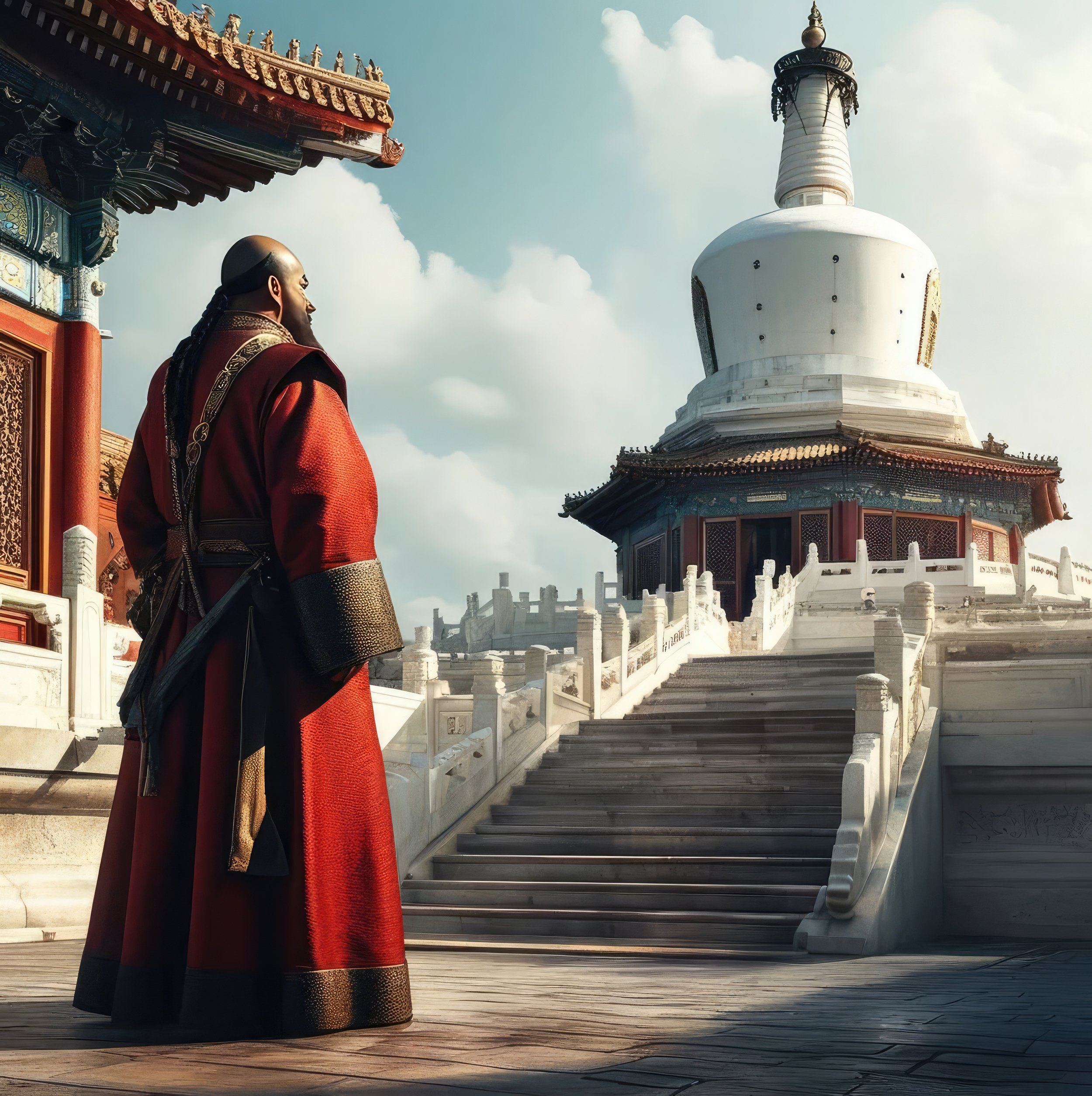
In the heart of Beijing's Xicheng District stands a marvel of history and spirituality: the Bai Ta Si, or White Dagoba Temple. This monumental Tibetan Buddhist monastery, also known as Miaoying Temple, was commissioned by the powerful Kublai Khan in 1271. The temple not only symbolizes his spiritual devotion but also the extraordinary skills of Arniko, a young Nepali architect whose legacy transcends time and borders.
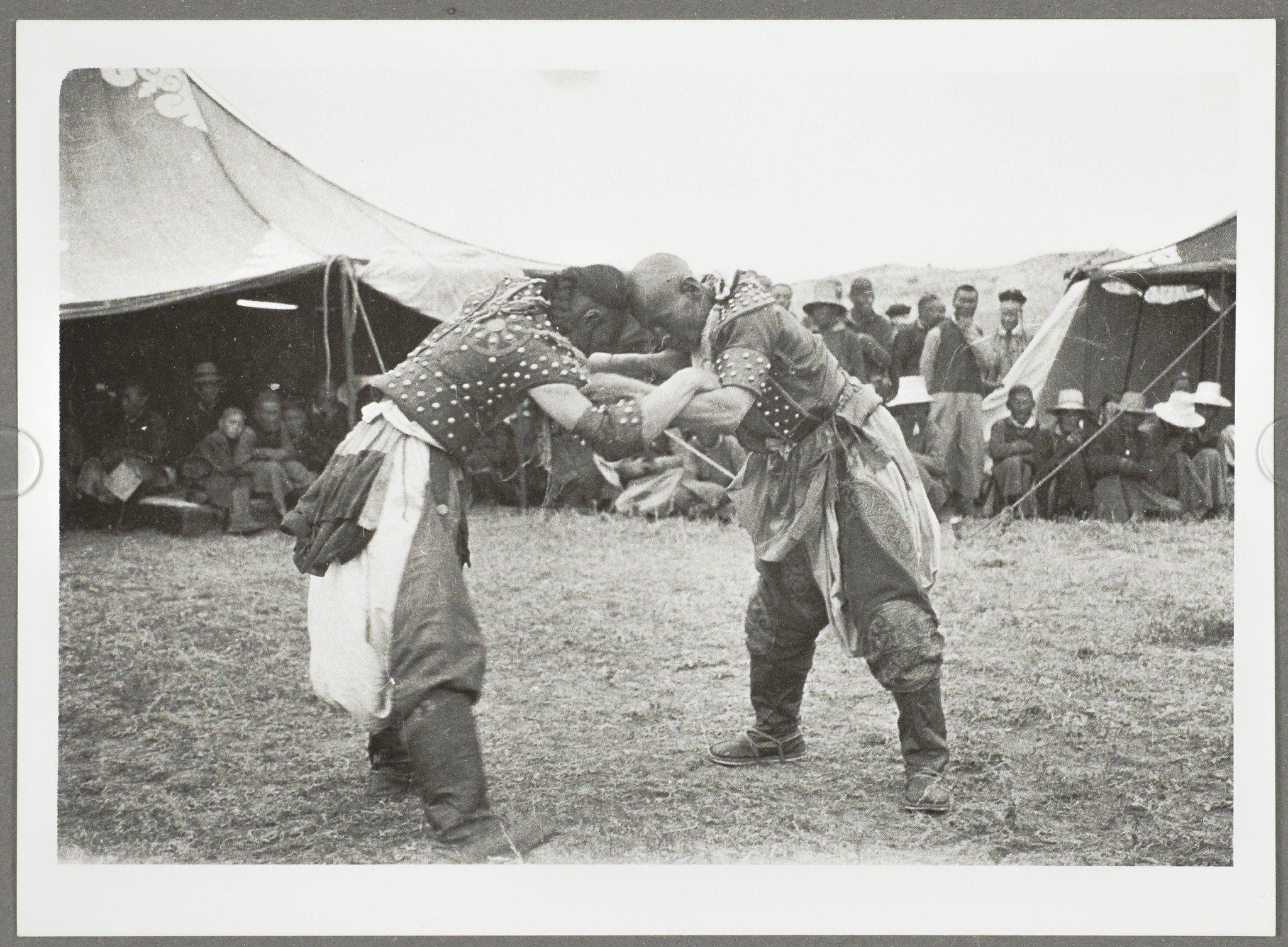
Naadam: Celebrating Mongolian Heritage
Naadam has a rich history believed to span centuries. Initially, it included military parades and sporting competitions such as archery, horse riding, and wrestling, celebrated during various occasions, including weddings and spiritual gatherings. It later served as a training ground for soldiers and was tied to the Mongols' nomadic lifestyle. The festival's origins are traced back to the 13th-century book, The Secret History of the Mongols.
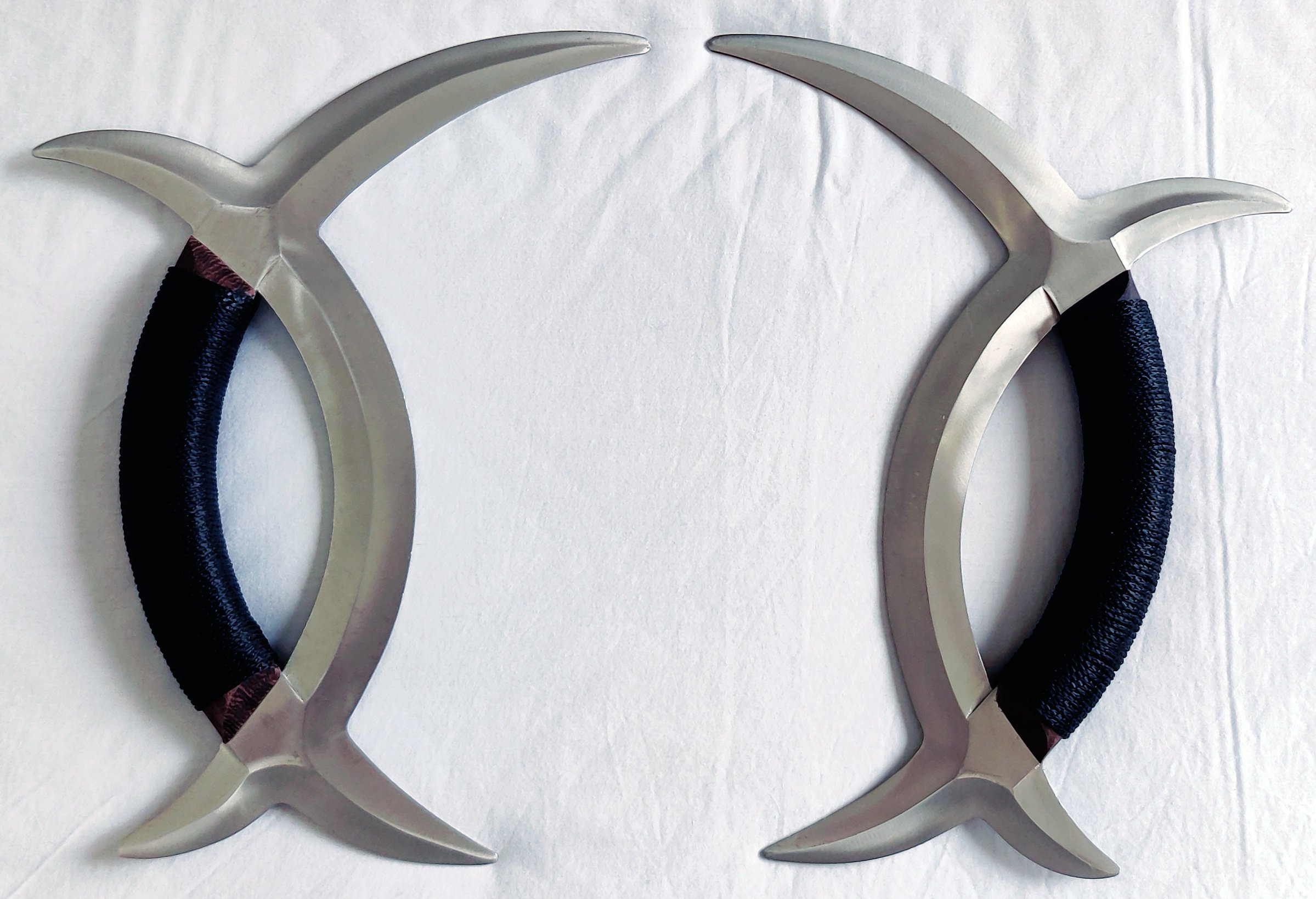
Unveiling the Mystique of Bagua Zhang's Mandarin Duck Blades
Few weapons embody the profound symbolism and technical complexity found in Bagua Zhang's unique mandarin duck blades.
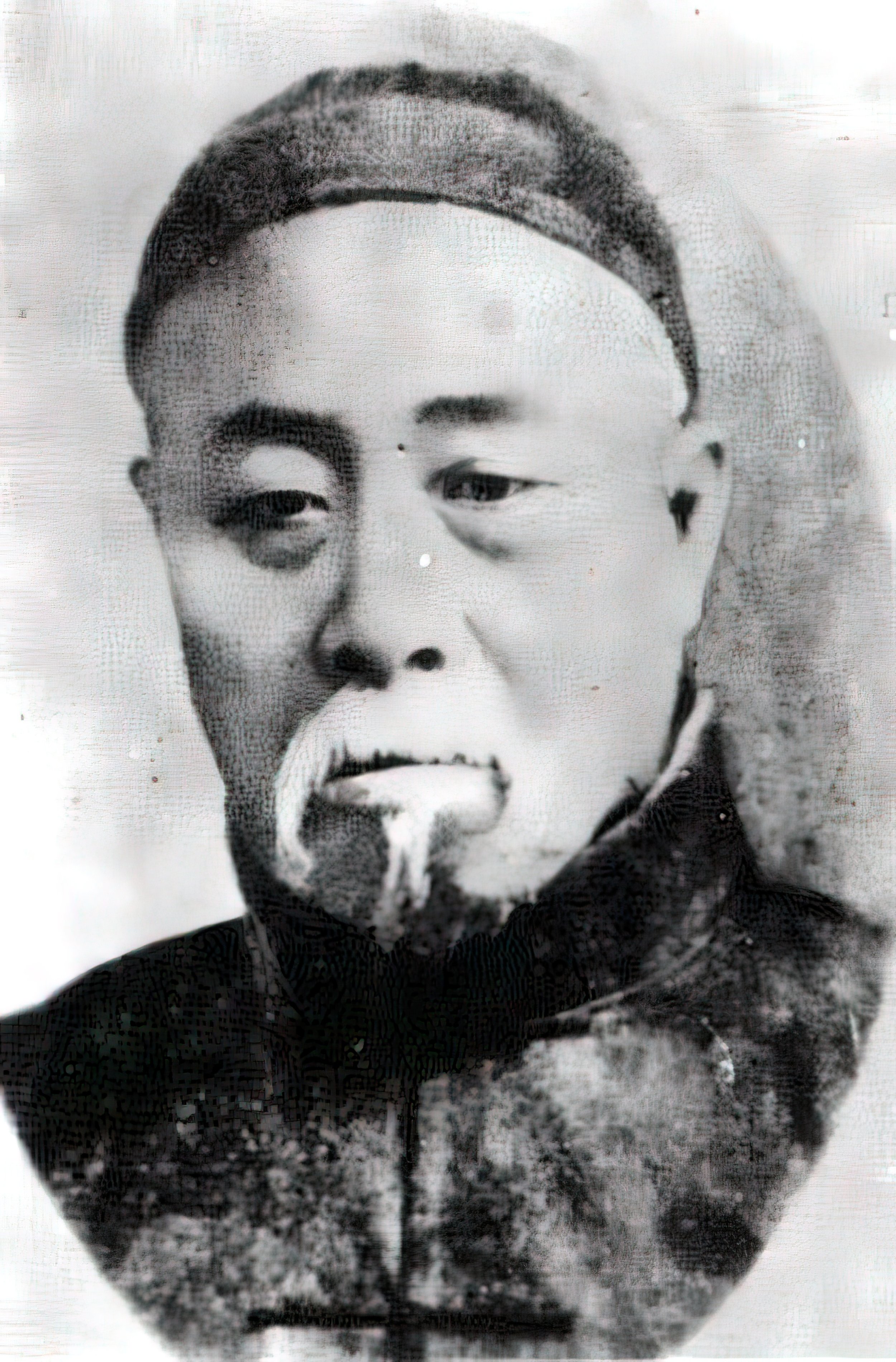
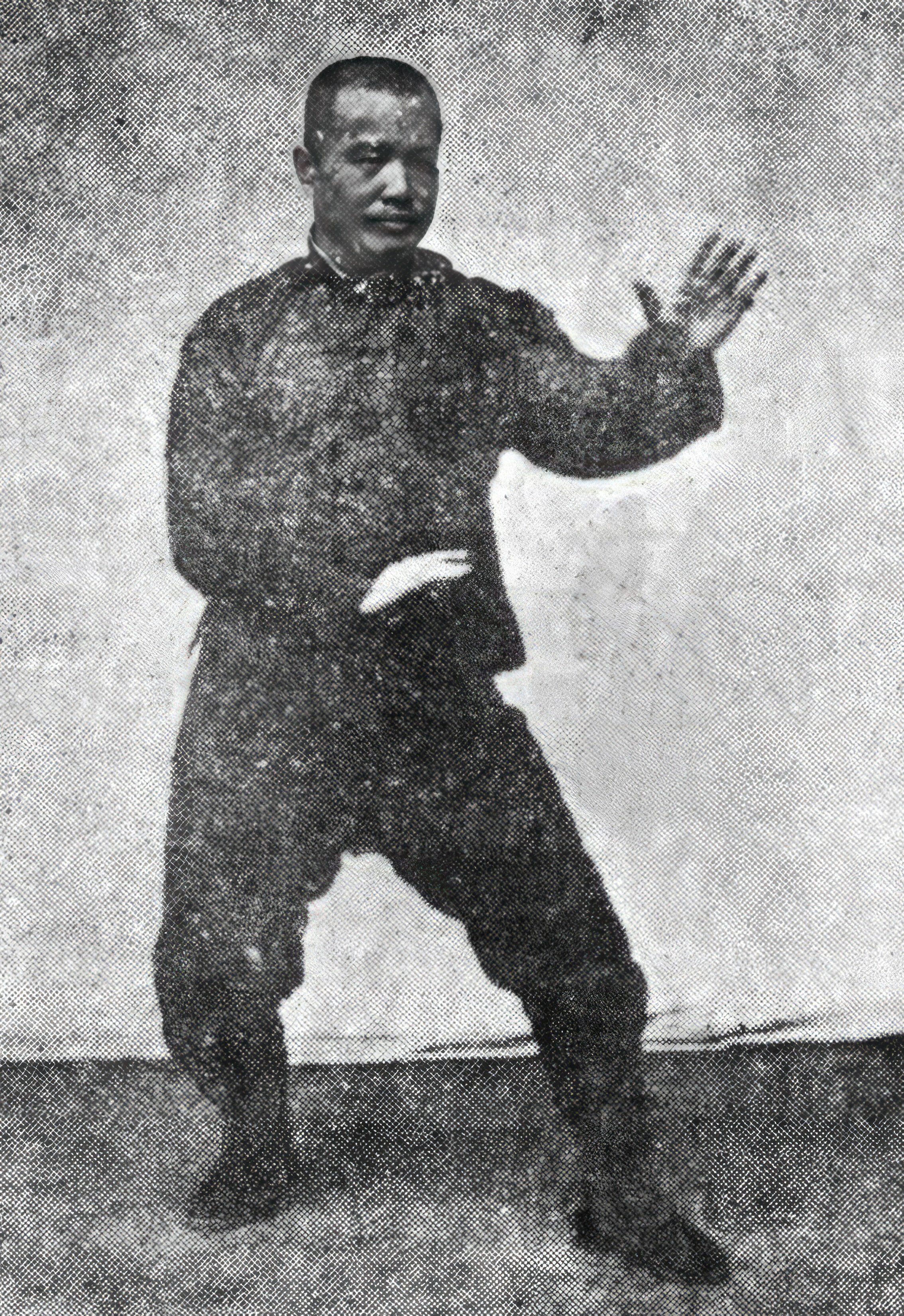
Li Cunyi: A Pillar of Chinese Martial Arts
Li Cunyi is a well-known martial artist who was larely responsible for the widespread dissemination of Hebei Xingyi Quan